

KUALA LUMPUR, MALAYSIA (MERXWIRE) – Fashion Intelligence, a Taiwan-based Artificial Intelligence of Things (AIoT) solutions provider, has deployed its technologies at Singapore Changi Airport to support the rapid tracking and coordination of thousands of service assets. The company is now expanding its presence in the Malaysian market.

Connected sensors, wearable devices and indoor positioning can help care teams identify when support may be needed and respond sooner.
As populations age, supporting older adults to live safely and independently in familiar surroundings is becoming a greater priority for public agencies and care providers. Families and frontline care teams also need timely information about changes in daily routines, particularly when older adults live alone or family members are unable to visit regularly.
Artificial Intelligence of Things (AIoT) technologies can help address this gap by bringing together information from environmental sensors, wearable devices and indoor positioning systems. When integrated into existing care routines, these tools can give care teams a clearer picture of daily conditions and help them decide when a check-in or follow-up is needed.
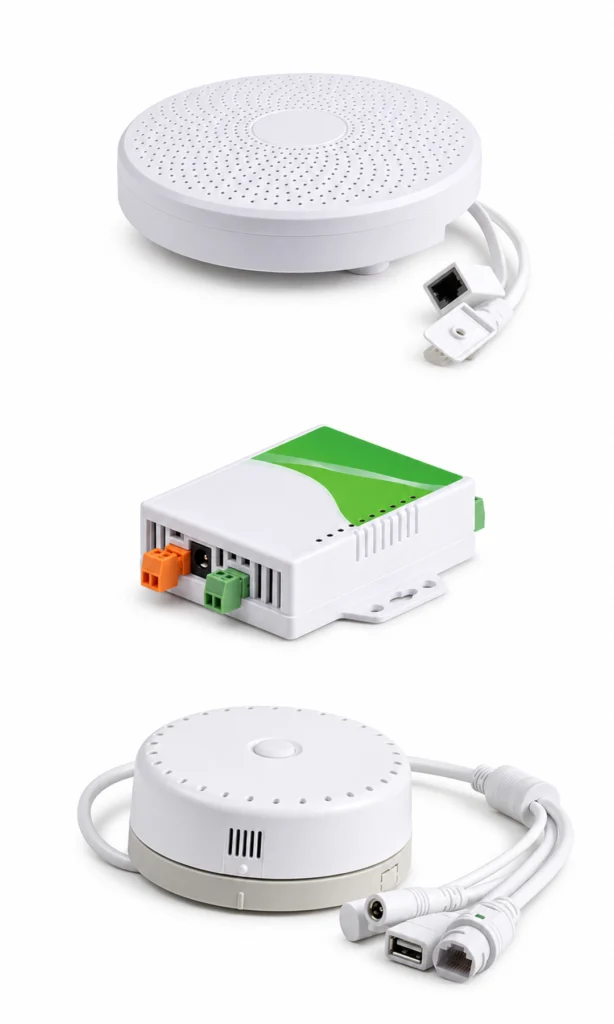
Identifying when support may be needed
In a home or community care setting, motion and environmental sensors can provide information about activity patterns and room conditions. A change from an established routine may prompt a phone call or a visit. If a fall detection device identifies a possible incident, it can alert a designated caregiver or care team so they can check what has happened and arrange assistance as needed.
Wearable devices can add context by recording daily activity and, where supported, indicators such as heart rate and blood oxygen levels. Care teams can refer to these records during routine check-ins. In larger care facilities, indoor positioning can help staff locate shared equipment such as wheelchairs, while indoor navigation can help older adults and visitors find reception areas, activity rooms or service counters.
Connecting alerts with care delivery
For care providers, receiving an alert is only the first step. Each service needs a clear process for deciding who receives a notification, who follows up and how the outcome is recorded. Providers can also explain to older adults and their families what information is collected and who can access it. These arrangements help make connected care easier to understand and use in everyday settings.
Public agencies, care providers and technology partners can work together to test these applications in home care, community centres and residential facilities. A pilot can begin with a specific service need, such as coordinating follow-up after a possible fall, and assess whether the approach improves response times and fits the daily routines of older adults and care staff. This gives partners a practical basis for developing more responsive, age-friendly and people-centred care services.
Media Contacts:
Fashion Intelligence Co., Ltd.
Greg Liu
+886-932019249
greg.liu@open-life.com
SOURCE: Fashion Intelligence Co., Ltd.